Get a Quote
Is a 1500W Air Cooled Laser Cleaning Machine Right for Your Application?
Choosing a 1500W air cooled laser cleaning machine starts with the workpiece, the material to be removed and the surface condition required after cleaning. Rated power identifies one part of the equipment specification, but it does not establish suitability for every coating, substrate or production target.
For manufacturers and maintenance teams, the practical question is whether the machine can reach the treatment area, support a repeatable cleaning setup and fit the working environment.
The Despark LT-1500W combines handheld operation, integrated air cooling, selectable scanning patterns and touchscreen parameter storage. Its product information describes applications including precision mold maintenance, weld cleanup and automotive component cleaning. This guide explains what buyers should assess before selecting this configuration.
What Cleaning Tasks Should Buyers Evaluate?
The LT-1500W product information lists rust, oxide scale, paint, oil and residual contamination as cleaning targets. Each task still requires assessment against the actual workpiece and desired result.
| Cleaning Task | What Buyers Should Define |
| Rust removal | Substrate, rust condition and acceptable surface appearance |
| Paint removal | Coating type, thickness if known and whether complete or selective removal is required |
| Oxide and weld cleanup | Location of the treatment area and the required condition for the next process |
| Mold cleaning | Mold material, geometry, deposits and critical surface features |
| Automotive component cleaning | Component material, access conditions and areas that must remain unaffected |
A representative sample should establish application fit. A successful result on one component does not confirm the same settings will suit a different substrate or coating.
When Does an Air-Cooled Configuration Make Sense?
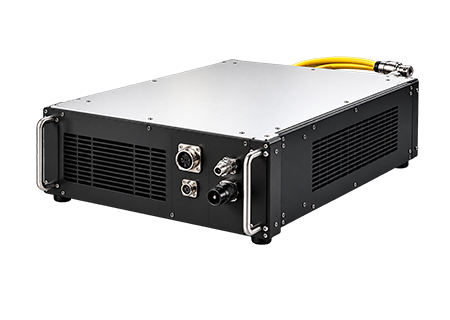
The LT-1500W uses integrated air cooling, so it does not require an external cooling-water connection or cooling-water filling.
This configuration is relevant when buyers want to avoid arranging an external water-cooling connection at the cleaning location. However, air cooling is only one part of site planning. Buyers should also review equipment placement, electrical supply, cable routing and the dust-handling arrangement.
The published machine weight is 42 kg, and casters support repositioning between work areas. It is therefore more useful to assess how the unit will move through the facility than to judge portability from the handheld cleaning head alone.
How Do Scanning Patterns and Stored Parameters Help?
Recurring cleaning jobs benefit from a defined setup that operators can return to.
The LT-1500W supports selectable scanning modes, configurable cleaning paths, and parameter saving and switching through its touchscreen. These functions allow operators to select a pattern for the treatment area and recall settings established during an earlier assessment.
For buyers processing repeated components, the useful workflow is:
1. Identify the substrate, contamination and required finish.
2. Assess a representative sample.
3. Record the settings associated with an acceptable result.
4. Recall those settings for comparable workpieces.
5. Reassess the process when the material, coating or cleaning requirement changes.
Stored settings support setup consistency. They do not automatically compensate for differences between workpieces.
What Specifications Matter Beyond 1500W?
Buyers comparing a 1500W handheld laser cleaning machine should consider the complete configuration.
| Published LT-1500W Specification | Relevance to Selection |
| Laser power: 1500 W | Identifies the rated configuration; suitability still requires application assessment |
| Cooling method: air cooling | Removes the external cooling-water connection requirement |
| Cleaning width: 0–300 mm | Provides the published adjustment range for cleaning setup |
| Fiber length: 10 m | Helps buyers assess reach and cable routing around the workpiece |
| Supply: 220 V / 50 Hz | Provides a starting point for checking site electrical compatibility |
| Machine weight: 42 kg | Supports handling and placement planning |
| Touchscreen parameter storage | Supports returning to established cleaning setups |
The product sheet also lists a cleaning rate of 0–160 mm/s. This linear value should not be treated as an area productivity rating.
To assess production capacity, buyers should define the area to be cleaned, contamination condition, acceptable finish and expected workload. A sample assessment should then record the time needed to achieve the agreed result.
Can a Handheld Laser Cleaner Remove Paint from Wood?
The supplied LT-1500W material includes a wood paint-removal example. This supports discussing the application, but it does not establish compatibility with every wood species or coating.
If you are evaluating a laser cleaning machine for wood, provide details of the wood, coating, surface condition and required appearance. Include a representative sample where practical.
The same approach applies to metal paint removal: the coating and underlying material should be assessed together. Buyers should avoid treating a before-and-after image as proof of suitability for a different workpiece.
What Should Buyers Confirm About Dust Collection?
The LT-1500W product information describes a dust-removal duct. Buyers should distinguish this provision from a complete extraction and filtration system.
Before confirming the equipment scope, clarify:
- Whether collection equipment is included or supplied separately.
- How the duct connects to the proposed extraction arrangement.
- What material or coating will be removed.
- How the collection arrangement fits the cleaning location.
These details help define the complete working setup and prevent misunderstandings about what the machine supply includes.
What Information Helps Despark Assess Your Application?
Despark’s supplied company information describes a portfolio covering laser cutting, welding and cleaning, together with requirement-based customization and after-sales support.
For a cleaning equipment inquiry, clear application information is more useful than a power request alone.
| Information to Provide | Why It Matters |
| Workpiece material | Establishes the substrate being assessed |
| Rust, coating or contamination details | Defines the removal task |
| Photographs and dimensions | Shows treatment areas and access limitations |
| Required surface finish | Defines an acceptable cleaning result |
| Expected workload | Helps assess whether the proposed process fits production needs |
| Site power and extraction arrangements | Helps identify installation and supply-scope requirements |
| Requested configuration changes | Allows customization feasibility to be reviewed |
Any proposed hardware or configuration changes should be recorded in the agreed technical specification.
FAQ
Is a 1500W air cooled laser cleaning machine suitable for rust removal?
Rust removal is listed in the LT-1500W product information. Suitability depends on the substrate, rust condition and required finish, so buyers should assess a representative workpiece before confirming the process.
Does a higher power rating always mean faster cleaning?
Power alone does not establish cleaning productivity. The contamination, substrate, scanning settings, treatment area and required result all need to be considered. Compare configurations against the same cleaning task and acceptance criteria.
Does the LT-1500W need an external water chiller?
The documented configuration uses integrated air cooling and does not require an external cooling-water connection.
Can operators save settings for repeated cleaning jobs?
Yes. The documented touchscreen functions include parameter saving and switching. Established settings can be recalled for comparable tasks, with reassessment when the workpiece or cleaning requirement changes.
Can Despark discuss a customized cleaning setup?
Despark offers requirement-based customization. Buyers should submit the application details and proposed changes so the technical scope can be reviewed before an order is confirmed.