Get a Quote
Laser Tube Cutting Industry: Key Trends Shaping Metal Tube Fabrication
Laser tube cutting is becoming an important option for manufacturers that need flexible, accurate, and repeatable tube processing. Rather than focusing only on cutting speed, many buyers now evaluate how a machine fits into their entire production workflow.
Several practical trends are shaping the selection and application of laser tube cutting machines.
1. Greater Demand for Flexible Production
Many tube fabricators handle a mix of standard products, customized orders, and different batch sizes. Traditional workflows that rely on multiple setups can become difficult to manage when part designs change frequently.
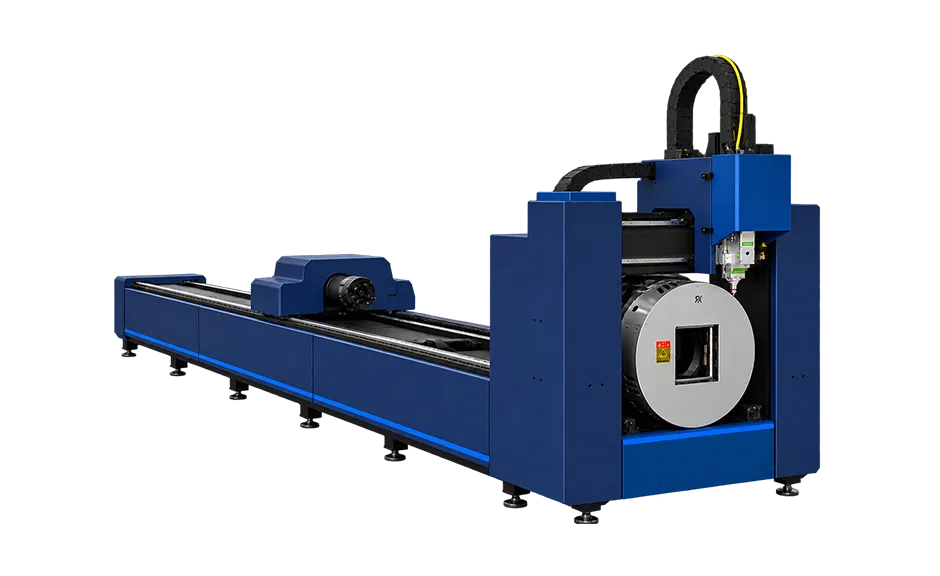
A CNC tube laser cutting machine can use approved digital part programs to produce different cutting features, including holes, slots, notches, and end profiles. This makes it useful for manufacturers that need production flexibility without repeatedly changing mechanical tooling.
2. Automation Is Becoming Part of the Cutting Decision
Loading, tube support, unloading, and material handling can have a significant influence on actual production output. As a result, buyers are paying closer attention to the complete tube laser cutting system, rather than the laser source alone.
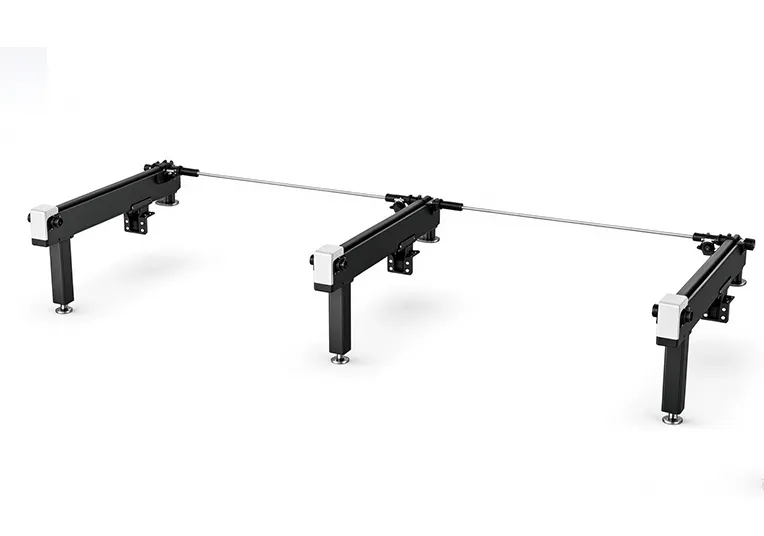
Semi-automatic loading may suit workshops that handle different tube profiles and want a balance between flexibility and operator involvement. More automated systems may be appropriate for stable, high-volume production.
The right choice depends on tube specifications, batch size, available labor, and workshop space.
3. Machines Are Being Selected for Downstream Efficiency
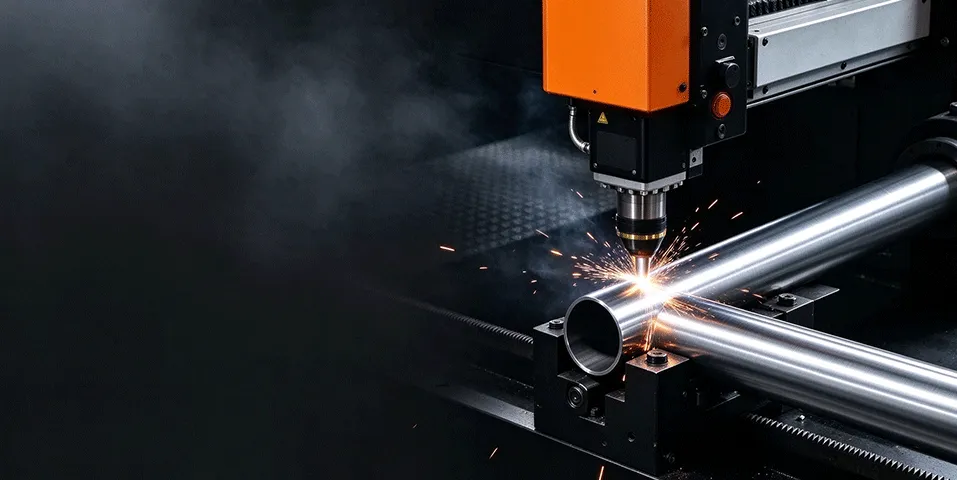
The value of laser tube cutting does not end when a part leaves the machine. Part accuracy and feature alignment can affect welding, bending, assembly, and final product fit.
For applications such as metal furniture, fitness equipment, frames, and structural components, consistent tube features can help simplify subsequent production steps. This is why buyers increasingly evaluate cutting quality together with their downstream process requirements.
4. Application-Specific Configuration Matters More
There is no single tube laser cutting machine configuration that suits every tube processing business. Chuck type, supported tube length, loading method, laser power, and automation level should match the actual application.
For example, a manufacturer processing short, small-diameter tubes has different requirements from one cutting long structural profiles. Businesses with frequent product changes may also prioritize flexibility differently from those producing one standardized part in large quantities.
5. Buyers Are Looking Beyond the Purchase Price
A laser tube cutting machine price remains important, but it is only one part of the investment. Buyers also need to consider:
- Equipment utilization and expected workload
- Operator training and process knowledge
- Maintenance and consumable requirements
- Compatibility with existing production workflows
- Technical support and spare-parts availability
- Possible future customization or automation needs
A machine that is poorly matched to the application may create avoidable costs even if its initial purchase price is lower.
Challenges for New Users
Laser tube cutting requires suitable part designs, correct cutting parameters, trained operators, and routine maintenance. Businesses should also evaluate whether they have enough suitable work to keep the machine productively utilized.
A practical investment decision therefore starts with real parts and production requirements—not with choosing the highest available power or the most complex configuration.
Conclusion
The industry is moving toward more application-focused, flexible, and integrated tube processing. For manufacturers, the key question is not simply whether laser cutting is more advanced than traditional methods, but whether it can improve their particular workflow.
At Despark, we provide standard and customized laser tube cutting machines based on tube profiles, dimensions, materials, and production requirements. Send us your tube drawings and application details to discuss a suitable configuration.
FAQ
Why are manufacturers considering laser tube cutting?
Laser tube cutting can support flexible, repeatable processing for manufacturers handling different tube designs and batch sizes. Buyers also consider how the machine fits into their overall production workflow.
What features can a CNC tube laser cutting machine produce?
Depending on the machine configuration, it can use digital part programs to process features such as holes, slots, notches, and end profiles.
How does automation affect tube cutting production?
Loading, tube support, unloading, and material handling can influence actual production output. The appropriate automation level depends on tube specifications, batch size, available labor, and workshop space.
How should buyers choose a tube laser cutting machine configuration?
Buyers should match the chuck type, supported tube length, loading method, laser power, and automation level to their tube profiles and production requirements.
What should buyers consider beyond the laser tube cutting machine price?
Buyers should also consider expected equipment utilization, operator training, maintenance, consumables, compatibility with existing workflows, technical support, spare parts, and future configuration needs.