Get a Quote
Laser Tube Cutting Machine Maintenance: A Practical Daily and Routine Guide
A laser tube cutting machine depends on more than its laser source to produce consistent parts. The chuck, loading system, cooling unit, assist gas supply, dust extraction, and other components all need appropriate attention during daily operation.
Regular maintenance helps operators identify debris, unusual wear, alarms, and changes in cutting quality before they lead to longer production interruptions. It also supports reliable tube feeding and clamping during batch processing.
This guide explains the daily checks and routine maintenance items that manufacturers can use when managing a tube laser cutting machine.
Maintenance requirements vary by machine model and configuration. Always follow the equipment manual, site safety procedures, and the manufacturer’s recommended service schedule.
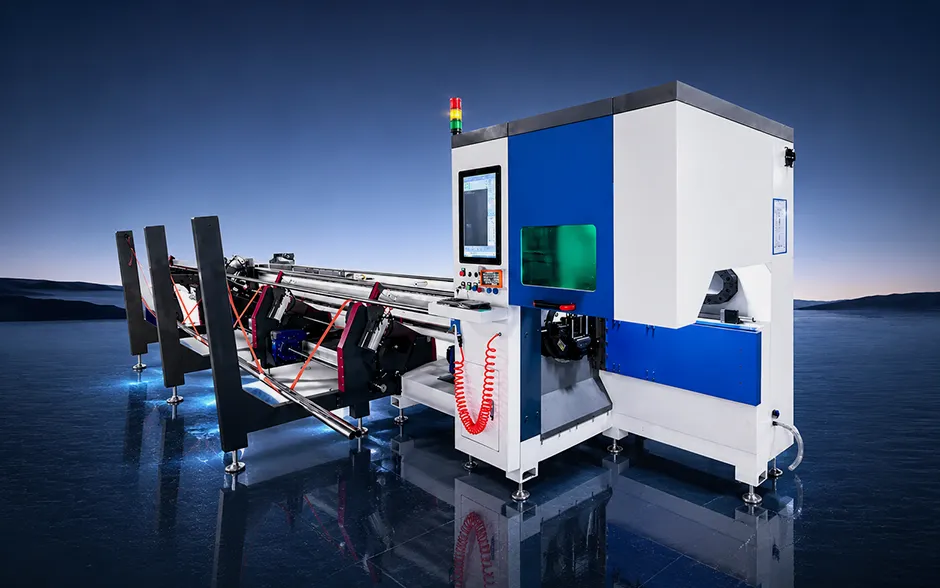
Safety Before Maintenance
Before cleaning, inspection, lubrication, or component replacement, stop the machine and follow the required shutdown and lockout procedures.
Only trained personnel should service electrical systems, laser components, or optical parts. Safety devices must not be bypassed, and protective enclosures must not be opened during operation.
Maintenance personnel should also follow the equipment manual for any additional isolation, inspection, or restart requirements.
Daily Maintenance Checks
Daily checks focus on the areas most directly affected by tube feeding, clamping, cutting, and debris collection. The following table provides an overview; the machine manual should determine the exact inspection procedure.
| Check Area | What to Look For | Why It Matters |
|---|---|---|
| Working area | Tube offcuts, slag, and loose debris | Helps prevent interference with movement and feeding |
| Chuck and loading system | Debris, obstructions, abnormal wear, or unusual movement | Supports reliable tube clamping and handling |
| Cooling system | Coolant level, temperature, pressure, and alarms | Helps identify conditions that may affect equipment operation |
| Assist gas | Supply pressure and required gas quality | Supports the selected cutting process |
| Dust extraction | Operating condition and collection areas | Helps manage dust and fumes generated during processing |
| Cutting quality | Burrs, inconsistent edges, or changes in hole quality | Helps identify process or equipment issues early |
1. Clean the Working Area
After shutdown, remove tube offcuts, metal slag, and other production debris from the working area.
Pay particular attention to the loading system, tube supports, chuck area, and scrap collection points. Loose material in these areas may interfere with tube feeding, clamping, or machine movement.
A clean working area also makes it easier to notice unusual wear or obstructions during inspection.
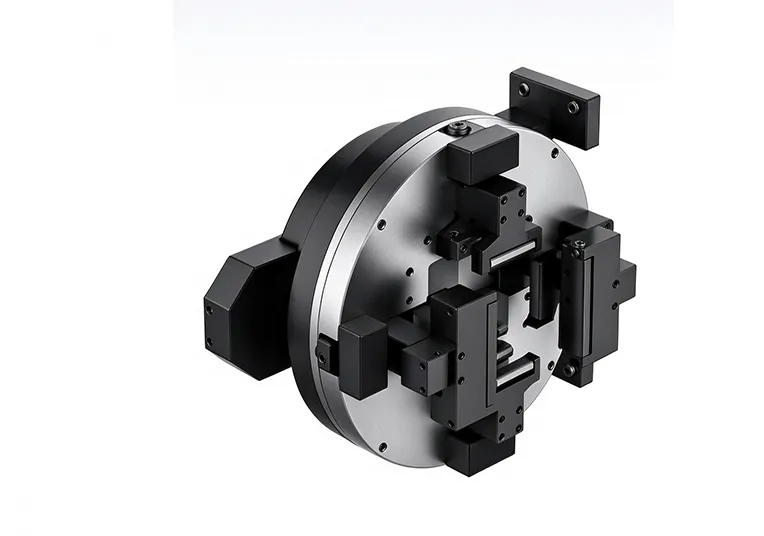
2. Inspect the Chuck and Loading System
The chuck and loading components are essential to positioning and moving tubes through a CNC tube laser cutting machine.
Check chuck jaws and clamping surfaces for accumulated debris. Inspect the chain-type loading system, tube supports, and accessible moving components for visible obstructions or abnormal wear.
If operators notice unusual noise, unstable clamping, or irregular tube movement, stop production and investigate the cause before continuing.
For machines with different loading configurations, follow the inspection points specified in the relevant equipment manual.
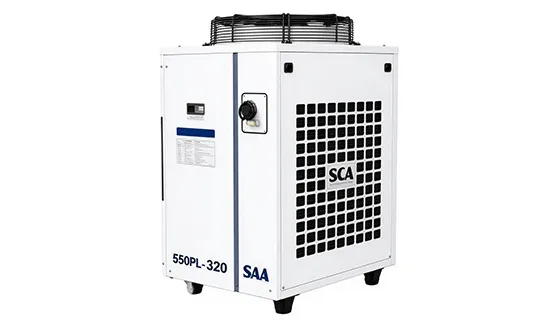
3. Monitor the Cooling and Assist Gas Systems
Check the coolant level, temperature, system pressure, and alarm messages according to the machine manual. Confirm that the assist gas supply meets the required pressure and quality specifications for the material being processed.
Unstable cooling or gas conditions can affect equipment performance and cutting results. If a reading or alarm is outside the permitted range, follow the manufacturer’s instructions before restarting production.
4. Check Dust Extraction and Ventilation
Confirm that the dust extraction system is operating correctly and that collection areas are not overloaded.
Dust and fumes should be handled with extraction and filtration equipment appropriate for the materials being processed. Inspection and cleaning of the system should follow the equipment instructions and site procedures.
5. Observe Changes in Cutting Quality
Operators should monitor finished parts for changes such as:
- Increased burrs
- Inconsistent cut edges
- Changes in hole quality
- Cutting results that differ from previously accepted parts
These changes may be associated with incorrect parameters, contamination, worn consumables, or changes in material conditions.
Repeatedly adjusting cutting parameters without checking the underlying cause may make the problem harder to identify. Inspect the relevant machine and process conditions first, and follow the equipment manual when corrective work is required.
Weekly and Periodic Maintenance
The frequency of routine maintenance depends on the tube laser cutting system, its workload, operating environment, and manufacturer’s recommendations.
Depending on the machine and service manual, weekly or periodic work may include:
- Lubricating designated transmission and guiding components
- Inspecting chuck jaws, chains, supports, and fasteners
- Cleaning approved sensors and accessible mechanical surfaces
- Checking dust collection and filtration components
- Inspecting consumables and protective optical components
- Reviewing alarm records and recurring cutting problems
Use the approved lubricants, cleaning methods, and service procedures specified for the machine. Do not assume that all components require the same maintenance interval.
Optical Component Inspection and Cleaning
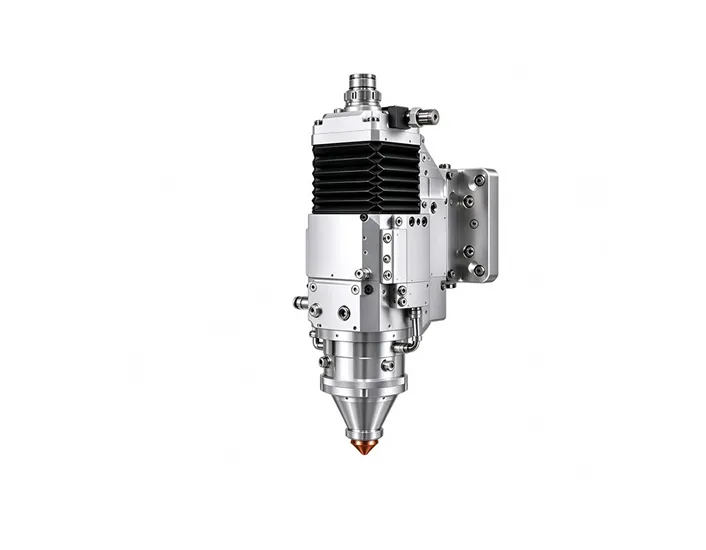
Protective optical components can affect cutting performance when contaminated or worn. However, optical parts require careful handling.
Only trained personnel should inspect or clean optical components, using the methods and materials approved by the equipment manufacturer. Follow the machine’s shutdown and service procedures before accessing these parts.
How Should Operators Respond to Cutting Problems?
Changes in cut quality do not always point to a single cause. Before making repeated adjustments, compare the current results with the previously accepted process and review the relevant conditions.
| Observed Issue | Areas to Review |
|---|---|
| Increased burrs | Cutting parameters, consumables, assist gas, and material condition |
| Inconsistent cut edges | Process settings, contamination, material condition, and machine alarms |
| Changes in hole quality | Cutting parameters, material condition, and consumable condition |
| Unstable tube movement | Chuck, loading system, tube supports, and visible obstructions |
| Unusual machine noise | Loading and moving components; stop and investigate before continuing |
These are inspection starting points. The actual cause and corrective action should be determined according to the machine manual and the findings of trained personnel.
Keep a Maintenance Record
A maintenance log helps production and service teams understand what has been checked, what has changed, and whether the same issue is recurring.
For each inspection or service task, record:
- Date and machine identification
- Inspection or maintenance completed
- Lubrication carried out
- Parts or consumables replaced
- Alarm messages
- Cutting-quality issues
- Findings and corrective actions
For example, if burrs repeatedly appear alongside a particular alarm or operating condition, the recorded history may help the service team investigate the issue more efficiently.
A record also helps schedule routine work around production and identify issues before an unexpected interruption.
Maintenance Considerations When Selecting a Tube Laser Cutter
Buyers comparing tube laser cutters should consider how the machine will be maintained after installation as well as its cutting range and automation configuration.
Before selecting a machine, discuss:
- Which components require daily inspection.
- Which maintenance tasks operators can perform after training.
- Which tasks require trained service personnel.
- How chuck, loading, cooling, and extraction systems should be maintained.
- What documentation and support are provided with the machine.
The answers should be specific to the proposed configuration. For example, maintenance points for a chain-type loader may differ from those for another loading arrangement.
Discuss Your Laser Tube Cutting Requirements with Despark
Despark supplies laser tube cutting machines for different tube sizes, materials, and production requirements. When reviewing a machine configuration, buyers can also discuss its operation and routine maintenance requirements with the team.
If you are evaluating a laser pipe cutting machine, share your tube specifications, expected workload, and loading requirements. This information provides a starting point for discussing a suitable configuration and the associated maintenance considerations.
Contact Despark to discuss your tube processing and equipment requirements.
FAQ
How often should a laser tube cutting machine be maintained?
The maintenance schedule depends on the machine model, configuration, workload, and operating environment. Daily checks can help operators identify debris, alarms, or changes in cutting quality, while periodic maintenance should follow the equipment manual and manufacturer’s recommendations.
What should be checked daily on a tube laser cutting machine?
Daily checks may include the working area, chuck, loading system, cooling system, assist gas supply, dust extraction, and finished cutting quality. Follow the inspection points and shutdown procedures specified for your machine.
Why is the chuck important to tube cutting quality?
The chuck holds and positions the tube during processing. Debris on the chuck jaws or clamping surfaces may interfere with clamping, so operators should inspect these areas according to the equipment manual.
What should I do if cutting quality becomes inconsistent?
Stop and review the relevant conditions, including cutting parameters, assist gas, consumables, material condition, and machine alarms. Avoid repeatedly changing parameters without checking the cause. Follow the equipment manual or contact trained service personnel when needed.
Can operators clean the optical components themselves?
Optical components should only be cleaned by trained personnel using the manufacturer’s approved methods and materials. The required shutdown and service procedures must be followed before accessing these parts.
Does a fiber laser tube cutting machine need regular cooling system checks?
Yes. Operators should check the cooling system according to the machine manual, including relevant coolant level, temperature, pressure, and alarm indications. The exact requirements depend on the machine configuration.