Get a Quote
Laser Tube Cutting vs Traditional Cutting: Which Is Better for Your Production?
Manufacturers producing metal furniture, frames, fitness equipment, automotive components, and structural parts often need more than a simple straight cut. Holes, slots, notches, and connection profiles may also be required before the tubes can move to welding and assembly.
Traditional processes such as sawing, drilling, and punching can be effective for many of these tasks. However, when parts require multiple features or designs change frequently, processing them across several machines can involve repeated setups and material handling.
Laser tube cutting offers another approach. A CNC-controlled machine can process a range of tube features within a programmed workflow, depending on its cutting head, workholding system, and other configuration.
So, when does investing in a laser tube cutting machine make sense? This guide compares the two approaches and explains what buyers should consider before choosing equipment.
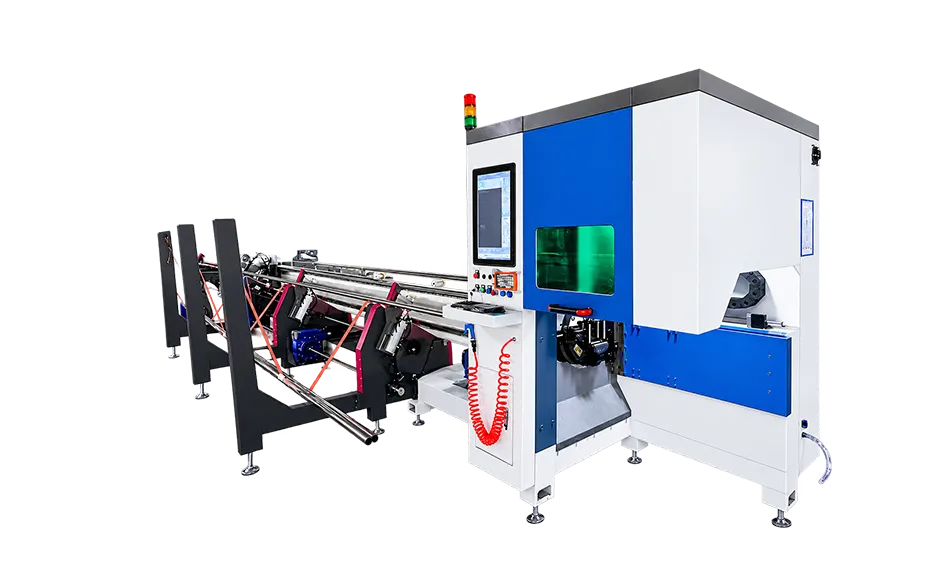
Laser Tube Cutting vs Traditional Cutting: A Quick Comparison
| Comparison | Traditional Tube Processing | Laser Tube Cutting |
|---|---|---|
| Typical processes | Sawing, drilling, punching, or milling | CNC-controlled laser cutting |
| Straight cuts | Often practical for simple, repetitive cuts | Suitable where straight cuts are combined with other features |
| Holes and slots | May require separate machines or setups | Can be programmed as part of the cutting process, subject to configuration |
| Complex profiles | May require additional tooling and repositioning | Can process programmed profiles within machine capabilities |
| Design changes | May involve tooling or fixture changes | New part programs can support changes in design |
| Part handling | May require movement between processes | Can reduce transfers between separate cutting operations |
| Best fit | Simple, high-volume work with established processes | Parts with multiple features, changing designs, or opportunities to combine processes |
The right choice depends on the complete production process. A CNC tube laser cutter can simplify complex workflows, while conventional sawing may remain the more economical choice for straightforward cuts.
1. Cutting Quality and Consistency
Sawing is widely used for straight tube cuts and can deliver reliable results when the blade, material, and process are properly matched. However, depending on the material and cutting conditions, some parts may need deburring before assembly or welding.
A laser tube cutting machine uses a non-contact cutting process. With suitable settings and workholding, it can produce repeatable profiles across a batch and reduce some secondary processing requirements.
This can be valuable when tube ends and cutouts must fit accurately into an assembly. Consistent geometry can make positioning easier during welding and help reduce adjustments between connected parts.
Cut quality is not determined by the cutting method alone. Buyers should evaluate:
- Tube material and wall thickness
- Surface condition and dimensional variation
- Cutting parameters and assist gas
- Part geometry and required edge quality
- Clamping and support during processing
For critical assemblies, sample cutting and inspection are the best way to confirm whether a proposed configuration meets the required tolerances and finish.
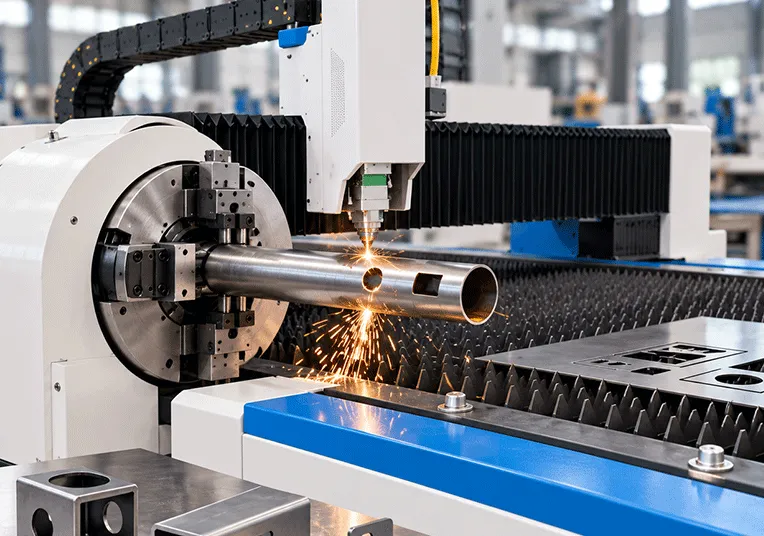
2. Complex Shapes and Multiple Processes
Many tube components need more than a cut to length. A furniture frame may require mounting holes and joining notches, while a structural component may include slots or openings in different positions around the tube.
With traditional equipment, these features may be completed through separate sawing, drilling, and punching operations. Each transfer can require another setup and another opportunity to check part alignment.
A tube laser cutting system can combine many of these features in one programmed sequence, depending on the machine configuration. This can reduce handling between machines and help maintain the relationship between features on the same part.
Common processing requirements include:
- Straight and angled end cuts
- Holes and slots
- Notches for tube-to-tube connections
- Openings for fasteners or fittings
- Irregular profiles for assembly
Not every machine can produce every feature. For example, 3D tube laser cutting or bevel cutting requires suitable equipment and cutting-head capability. Buyers should provide drawings and confirm these requirements before selecting a machine.
3. Flexibility for Custom Orders and Design Changes
Traditional tooling can be a good fit for long production runs of standardized components. Once the tooling and fixtures are established, the process can be efficient and repeatable.
For manufacturers handling different designs, however, changing from one part to another may involve adjustments to tooling, fixtures, or machine setups.
A CNC laser tube cutting machine follows programmed part data. This makes it possible to prepare different approved designs digitally and change between jobs without creating dedicated cutting tools for every profile.
This flexibility may be useful for:
- Custom metal furniture
- Fitness and sports equipment
- Fabricated frames and supports
- Automotive components
- Mixed-batch manufacturing
- Contract fabrication for multiple customers
Programming, tube loading, clamping adjustments, and first-piece inspection still take time. The benefit depends on how often parts change and how the manufacturer currently organizes production.
4. Material Use and Production Efficiency
A manufacturer evaluating pipe laser cutting should look beyond the cutting operation itself. Material utilization, setup time, part movement, secondary finishing, and assembly preparation all contribute to production cost.
Nesting software and programmed cutting paths can help arrange parts on available tube lengths. Combining features in one workflow may also reduce the need to move parts between separate workstations.
However, the achievable material saving depends on factors such as:
- Stock tube length
- Part lengths and geometry
- Required clamping allowance and remaining end material
- Cutting sequence
- Nesting software and machine configuration
- Batch size and part mix
A useful comparison should include the entire route from raw tube to an assembly-ready part.
| Cost or Time Item | Questions to Review |
|---|---|
| Machine setup | How many setups are needed for each part? |
| Labor and handling | How often must the tube move between machines? |
| Material use | How much usable tube remains after processing? |
| Secondary finishing | Are deburring or additional machining steps required? |
| Inspection and rework | How often do parts need adjustment before assembly? |
| Operating cost | What are the expected electricity, gas, consumable, and maintenance requirements? |
A laser tube cutter will not automatically reduce every cost. For simple straight cuts in large volumes, sawing may remain a cost-effective solution. The strongest case for laser cutting often appears when several operations can be combined or frequent design changes make conventional setups time-consuming.
5. What Applications Are Suitable for Tube Laser Cutters?
Tube laser cutters are used where manufacturers need programmed features in metal tubes and profiles. The right machine depends on the material, tube dimensions, part design, and output requirements.
| Industry | Typical Parts | Potential Processing Needs |
|---|---|---|
| Metal furniture | Table frames, chair frames, shelving | Joining notches, holes, and decorative openings |
| Fitness equipment | Equipment frames and supports | Mounting holes, slots, and connecting profiles |
| Automotive components | Tubular brackets and structural parts | Repeatable openings and connection features |
| Metal fabrication | Custom frames and fabricated components | Mixed designs, holes, slots, and end profiles |
| Structural products | Supports, racks, and framework | Consistent part profiles and assembly features |
The applications above describe common production needs. Before selecting equipment, confirm the actual tube material, section, wall thickness, and part features against the proposed machine’s capabilities.
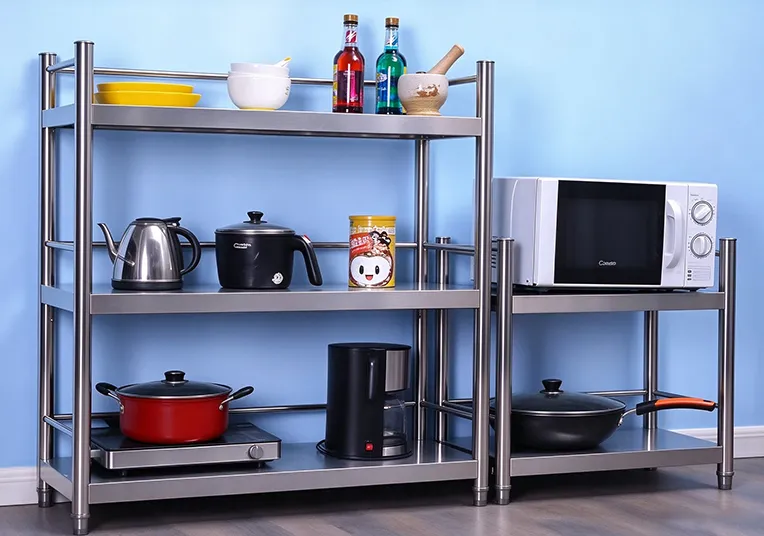
6. How to Choose a Laser Tube Cutting Machine
Choosing the right equipment starts with your parts and production workflow. When comparing laser tube cutting machines, review the following factors with the supplier.
Tube Shape and Dimensions
List the tube shapes used in current and planned production. These may include round, square, rectangular, or other profiles.
Provide the minimum and maximum tube dimensions, stock length, and wall thickness. Special profiles should be checked individually for clamping and support.
Material and Cutting Requirements
Identify the metal grade and the range of wall thicknesses you need to process. Include drawings that show holes, slots, end profiles, required tolerances, and edge-quality requirements.
A metal tube laser cutter should be evaluated against the actual parts, not only its maximum advertised capacity. Sample cutting can help confirm whether it meets your acceptance criteria.
Fiber Laser Configuration
A fiber laser tube cutting machine uses a fiber laser source for the cutting process. When comparing configurations, buyers should consider the source, cutting head, control system, workholding, and support arrangement together.
A higher laser power rating alone does not define the best machine. Material, thickness, required edge quality, and expected output should guide the configuration discussion.
Loading, Unloading, and Automation
A manually loaded machine may suit some workshops, while larger or more repetitive workloads may justify evaluating additional automation.
If you are considering an automatic laser pipe cutting machine, define what “automatic” needs to cover in your process. Depending on the configuration, it may refer to loading, feeding, unloading, or other handling functions. Confirm the exact scope in the quotation.
Required Features and Cutting Angles
Standard cutting, angled end profiles, bevels, and three-dimensional cutting may require different configurations.
If your drawings include bevels or complex angular features, ask the supplier whether a 3D laser tube cutting machine is needed and whether the proposed head can process the required geometry.
7. When Is Laser Tube Cutting the Better Choice?
A CNC laser pipe cutting machine may be worth evaluating when your production involves:
- Parts with several holes, slots, or connection profiles
- Frequent changes between different designs
- Multiple conventional operations on the same tube
- Repeated handling between workstations
- Assembly requirements that depend on consistent part geometry
- A need to review nesting and tube utilization
Traditional equipment may still be the better fit when the work consists mainly of simple straight cuts, existing processes already meet quality requirements, and the expected workload does not justify a new investment.
The best decision comes from comparing representative parts, total processing steps, expected output, and ownership costs.
Work with Despark to Evaluate Your Tube Cutting Requirements
Despark supplies and customizes laser tube cutting machines for different tube sizes, materials, and production requirements.
Whether you are reviewing a fiber laser pipe cutting machine for new production or looking to simplify an existing tube-processing workflow, start by sharing your actual parts and operating requirements.
To help us assess a suitable configuration, send:
- Tube shape and material
- Minimum and maximum tube dimensions
- Wall thickness and stock length
- Part drawings or sample photographs
- Required holes, slots, notches, and cutting angles
- Expected batch size and production output
- Loading and unloading requirements
Our team can review the application and discuss a suitable machine configuration for your production needs.
FAQ
What is the difference between a tube laser cutting machine and a saw?
A saw is commonly used to cut tubes to length and can be an economical option for simple, repetitive work. A tube laser cutting machine can also produce programmed features such as holes, slots, and notches, depending on its configuration. The best choice depends on the part design and complete production process.
Can a CNC tube laser cutting machine cut round and square tubes?
Many machines are designed to process common tube profiles, including round and square tubes. The supported shapes, dimensions, and clamping range depend on the specific machine. Confirm your complete tube range with the supplier before ordering.
Can a fiber tube laser cutting machine replace drilling and punching?
It may combine some drilling and punching requirements into a laser cutting workflow. Whether it can replace a particular operation depends on the feature geometry, required finish, tolerances, material, and machine configuration. Review representative drawings and samples before changing the production process.
Is a small tube laser cutting machine suitable for every workshop?
Not necessarily. A smaller machine may be suitable when the supported tube range and output match the application. Buyers should check stock length, profile dimensions, wall thickness, part handling, and future production requirements before choosing a configuration.
How can I compare the price of CNC laser tube cutting machines?
Compare quotations against the same tube range, materials, drawings, automation requirements, and support scope. Check whether the proposed machines include the required loading, unloading, cutting-head capability, software, and services. This provides a more useful comparison than laser power or machine price alone.